Your Cart is Empty

May 27, 2026 8 min read
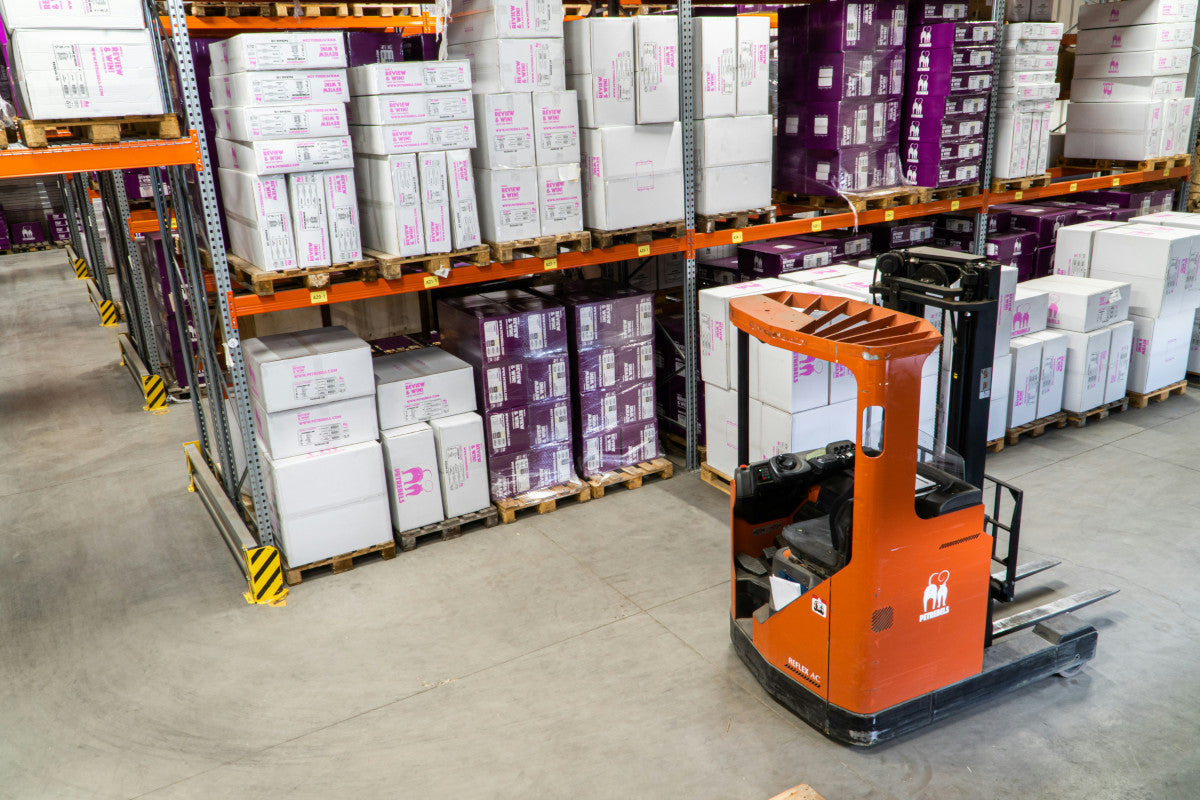
Your warehouse floor takes a beating every day from forklifts, foot traffic, pallet debris, and spills nobody gets to until end of shift. The truth is, though, you’re working harder (and wasting resources) if you're still sending a crew out with brooms and mop buckets to deal with all of it.
A commercial floor scrubber or commercial floor sweeper machine is a game-changer for your operation. One person can make quick work of expansive layouts, getting a better job done in less time.
This guide covers how to clean a warehouse floor the right way, what equipment to use, and how to pick the right machine for your operation. But if you’d rather just upgrade your process right now, get in touch with experts at SweepScrub for a personalized recommendation!
Let’s face it. Nobody looks forward this job. But warehouse floor cleaning has more riding on it than you might think. There are compliance and safety implications. Even just protecting your flooring investment is reason enough to rethink how you clean warehouse floors.
Your forklifts can kick up dust that settles on product. Spills turn into slip hazards within minutes. Debris along walls and under racking attracts pests. All of that leads to safety write-ups, failed inspections, and damaged inventory. This is preventable stuff if your floors are getting regular attention.
Think about what a new floor is going to cost you. Grime and chemicals grind into concrete coatings and epoxy over time. This isn’t something you’ll notice right away, but ignore it long enough and you're looking at resurfacing costs that you could have avoided if you just invested time and resources into a better floor care regimen.
The catch? Cleaning at warehouse scale with mops and brooms eats time your crew doesn't have. That's the whole reason machines exist for this. So, what’s the best way to clean a warehouse floor in as little time as possible?
A broom is fine for a 2,000-square-foot stockroom. Manual tools start costing you more in labor than a machine would cost upfront for anything bigger than that, though.
Brooms are terrible at collecting fine dust. They just move it around - into the air, onto shelving, into your crew's lungs. Mops are slow, leave residue, and don’t do anything about oil or industrial grease on warehouse concrete.
Think about it this way. A 15,000 square foot warehouse is an all-day job for one person mopping. The floor still isn't really clean when they're done. It's damp and maybea little less dirty. There’s a better way.
A scrubber or sweeper covers that same floor in less than an hour. The difference isn't subtle:
Floor scrubbers wash stains, oil, grease, chemical spills, and anything else stuck to the surface. It’s a must-have if you run a food warehouse or a manufacturing floor where hygiene actually matters for compliance.
On the other hand, floor sweepers collect dust, shrink wrap pieces, small parts, and even packaging scraps. A sweeper could be all you need if your floor gets dirty from traffic but doesn't deal with liquid messes.
Not sure which one fits your layout? Call us. This is literally what we do all day. We'll ask about your floor and tell you which machine to buy. Then, we’ll even go a step further and recommend a specific make/model from our catalog.
You might find that you need both - that’s where an industrial sweeper scrubber comes into play. These sweep first then scrub right behind it in the same pass. Saves you from buying and storing two separate machines.
Whatever your needs are, we’ll help set you up for success. SweepScrub stocks the best brands and models at the lowest prices online, backed by exceptional customer service. Reach out now to take the next step towards smarter warehouse floor cleaning.
Learning how to clean a warehouse floor is easy, but it starts with picking the right equipment if you haven’t done that yet.
Figure out what your warehouse needs before you spend anything. We help people with this over the phone every day, and the questions are always the same:
We've got the machines and we know how to match them to your floor, whether you need a commercial walk behind floor scrubber or an industrial ride on floor scrubber for sale, a commercial walk behind floor sweeper or an industrial ride on sweeper for sale.
Same idea as using a floor scrubber on a gym floor. A few minutes of prep keeps you from wrecking a brush head or jamming the squeegee mid-job.
Walk the area you’re going to clean. Kick pallets out of the path, grab banding straps, and toss large debris. Then look for the small stuff. Shrink wrap and zip ties are the worst because they wrap around the brush shaft and you have to stop the machine to cut them free.
You’ll want to get in the habit of checking pads or brushes for wear before you start using your machine, too. Fill the solution tank and make sure you’ve selected the right cleaning chemical (that’s a conversation for another day). The solution you use on your floor depends on the type of flooring in question and the mess you’re up against.
Think about your route ahead of time so you can work smarter. Start at the far end of the warehouse and work back toward the door. You won't track across a clean floor that way, and you won't miss sections.
The machine does the heavy lifting, but how you actually put it to work can make or break your experience with cleaning warehouse floors:
These habits keep things from getting out of hand between runs:
Drain the recovery tank after every single use. Dirty water left sitting overnight will stink and grow bacteria you can't rinse out easily. Pull the brushes or pads, rinse them off, and wipe the machine down. A little TLC goes a long way in keeping your machine working well.
Make sure everything dries before you park it. Wet machines corrode. Electrical connections go bad. Follow the manufacturer's schedule for belts, squeegee blades, and battery service. We have more tips on floor scrubber troubleshooting and how to fix a floor sweeper in our blog if it ever comes to it. Otherwise, all that’s left to do now is start cleaning warehouse floors smarter!
There you have it, how to clean a warehouse floor the right way. You can keep your crew safe, your inventory protected, and your concrete in good shape for years with the right machine. Warehouse floor cleaning takes one person about an hour instead of a full crew and a full shift.
From gym floor scrubbers to the best industrial floor sweeper for your warehouse, SweepScrub has the equipment and the know-how to get you set up right. Shop our catalog or give us a call today now that you know the best way to clean a warehouse floor!
Sign up below!